A luxury prom gown deserves proper maintenance long after the event ends. Many girls spend weeks searching for the perfect royal blue dress only to accidentally damage it later through improper washing or careless storage. Learning how to properly store and clean your royal blue prom dress is essential for preserving the beauty, structure, and elegance of delicate fabrics like satin and velvet. Without the right care routine, gowns can develop wrinkles, fading, crushed texture, loose embellishments, or permanent stains that reduce both their appearance and longevity. Proper garment care helps your dress maintain its polished, sophisticated look for future occasions, photographs, or keepsake preservation.
This guide explores everything you need to know about royal blue prom dress care, including safe cleaning methods for satin and velvet fabrics, long-term storage solutions, wrinkle prevention strategies, and professional garment preservation tips. Velucia understands that luxury formalwear requires thoughtful handling, especially when working with rich royal blue shades and delicate evening fabrics. In this article, you will learn expert-approved fabric-safe cleaning methods, effective prom dress storage ideas, and practical techniques that help preserve your gown’s shape, color, and texture while extending the lifespan of your formal dress collection.
Why Proper Prom Dress Care Matters
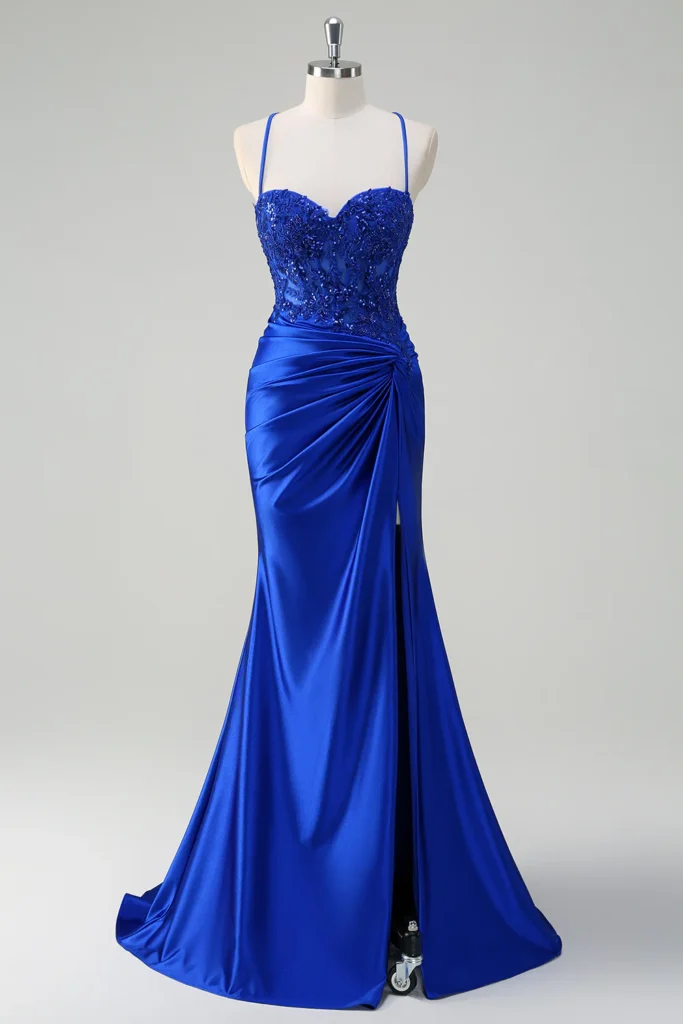
Prom dresses are not designed like ordinary clothing. Formal gowns often include intricate construction details, specialty fabrics, corset bodices, delicate linings, sequins, embroidery, and layered skirts that require more careful handling than casual garments. Understanding proper prom dress maintenance protects not only the fabric itself but also the overall structure and elegance of the gown.
Preventing Fabric Damage and Color Fading
One of the biggest concerns with formalwear is preserving the richness of the fabric color. Royal blue is a bold and luxurious shade that creates dramatic elegance, but deep colors can fade if exposed to sunlight, moisture, or harsh detergents for long periods. Satin fabrics may lose their reflective shine while velvet can become dull or uneven in texture.
Improper cleaning methods often accelerate fading. Hot water, strong detergents, and aggressive scrubbing weaken dye pigments and damage fabric fibers. Even something as simple as hanging a gown near direct sunlight may gradually reduce the depth of the royal blue tone.
Protecting delicate fabrics starts with smart habits:
- Avoid direct UV exposure
- Use mild detergents for delicate garments
- Keep dresses away from excess humidity
- Never apply bleach to satin or velvet
- Store gowns in breathable environments
Color preservation is especially important for satin because the glossy surface reflects light heavily. Even subtle discoloration becomes noticeable immediately.
Maintaining the Shape and Structure of the Dress
Luxury gowns are carefully constructed to create flattering silhouettes. Structured corsets, fitted bodices, dramatic skirts, and elegant draping all depend on proper support during storage and cleaning.
Many girls accidentally damage their dresses by:
- Hanging heavy gowns on thin wire hangers
- Folding structured bodices improperly
- Compressing skirts inside crowded closets
- Storing dresses while still damp
Over time, these mistakes may lead to stretched straps, flattened skirts, distorted corsets, or deep creases that become difficult to remove.
Proper structure preservation includes:
- Using padded hangers
- Supporting heavier gowns correctly
- Allowing enough hanging space
- Avoiding tight folds on velvet fabrics
- Keeping embellishments protected
Maintaining the original shape of the gown helps preserve the luxurious look that made the dress special in the first place.
Extending the Lifespan of Satin and Velvet Dresses
Many prom dresses are worn again for future events such as:
- Formal galas
- Evening parties
- Military balls
- Photoshoots
- Pageants
- Graduation celebrations
Some gowns also hold sentimental value and become treasured keepsakes. Proper dress preservation techniques help ensure the dress remains beautiful for years instead of deteriorating after one use.
Luxury fabrics respond well to thoughtful care. Satin retains its softness and shine longer when cleaned gently, while velvet keeps its rich texture when protected from pressure and moisture damage. A well-maintained gown continues looking elegant every time it is worn.
Good maintenance habits also protect:
- Stitching integrity
- Corset structure
- Embellishments
- Fabric softness
- Shape retention
- Color richness
Investing time into proper care ultimately protects the value of the garment itself.
Understanding the Differences Between Satin and Velvet Care
Satin and velvet are both luxurious prom dress fabrics, but they behave very differently during cleaning and storage. Understanding these differences is essential when learning how to properly store and clean your royal blue prom dress because each fabric responds differently to pressure, moisture, friction, and heat.
Why Satin Requires Gentle Handling
Satin is admired for its smooth texture and glossy finish. The fabric catches light beautifully, making royal blue satin dresses especially glamorous for prom and formal occasions. However, this same reflective surface also makes satin extremely vulnerable to visible damage.
Even small imperfections may stand out on satin, including:
- Water spots
- Wrinkles
- Scratches
- Snags
- Oil stains
One of the most common mistakes in royal blue satin dress care is aggressive stain removal. Rubbing or scrubbing can roughen the smooth surface permanently, leaving dull patches that interrupt the elegant shine of the fabric.
Satin also reacts poorly to excessive heat. High ironing temperatures may scorch the fabric or create shiny marks that cannot be reversed. This is why steaming is usually safer than direct ironing.
Key satin care principles include:
- Gentle handling only
- Minimal friction during cleaning
- Spot treatment for stains
- Air drying instead of machine drying
- Careful steaming techniques
Because satin drapes softly, it also wrinkles easily when folded improperly. Long-term storage methods become especially important for maintaining a polished appearance.
Why Velvet Needs Extra Texture Protection
Velvet creates elegance through texture rather than shine. Its soft pile reflects light differently depending on direction, giving the fabric rich visual depth. Royal blue velvet gowns feel dramatic and sophisticated because the texture enhances color intensity beautifully.
However, velvet is highly sensitive to pressure. Heavy objects, improper folding, or tight storage spaces may crush the fabric pile permanently.
Velvet care requires attention to:
- Texture preservation
- Pressure reduction
- Moisture control
- Dust removal
- Proper airflow
Unlike satin, velvet tends to attract lint and small particles easily. Regular maintenance helps keep the gown looking fresh while preventing buildup that may affect texture appearance.
Another important factor is heat sensitivity. Direct ironing flattens velvet fibers quickly, creating shiny or uneven spots across the surface. Safe steaming techniques are essential for preserving softness.
Common Mistakes That Ruin Delicate Prom Fabrics
Many formal gowns become damaged because people assume all fabrics can be cleaned the same way. Delicate eveningwear requires fabric-specific handling.
Common mistakes include:
- Machine washing velvet gowns
- Using harsh stain removers
- Applying direct iron heat
- Storing dresses in plastic bags
- Hanging heavy gowns incorrectly
- Folding corset dresses carelessly
- Ignoring stains before storage
Moisture is another major issue. Storing a dress before it fully dries may lead to mildew, odor buildup, or discoloration inside fabric layers.
Understanding the differences between satin and velvet helps you choose safer maintenance methods later. Satin requires protection from friction and staining, while velvet needs protection from compression and texture damage.
How to Clean a Royal Blue Satin Prom Dress
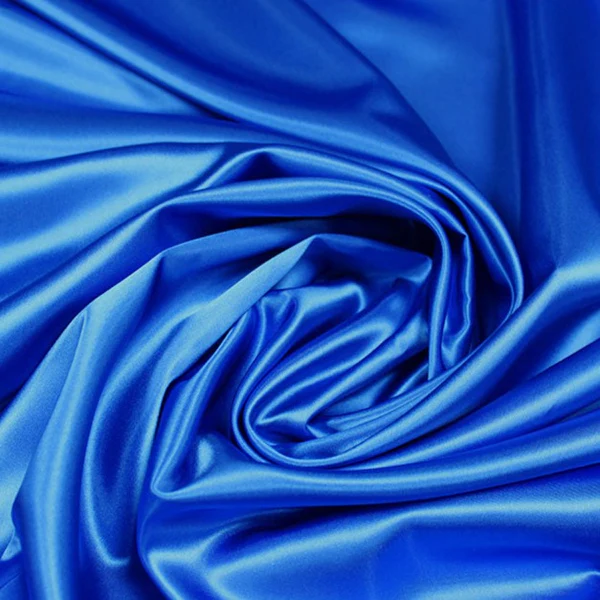
Understanding how to clean a satin prom dress correctly helps maintain the luxurious shine and smooth drape that make satin such a popular formalwear fabric. Because satin is delicate, every cleaning step should prioritize gentle handling.
Read the Care Label First
Before cleaning any gown, always begin by checking the garment care label carefully. Many formal dresses contain blended materials, internal boning, or specialty linings that require professional dry cleaning only.
Ignoring care instructions may cause:
- Fabric shrinkage
- Dye bleeding
- Loss of shine
- Wrinkling
- Structural damage
Structured satin dresses with corsets, sequins, or layered skirts often benefit most from professional care.
Spot Cleaning Small Stains Safely
Small stains should be treated quickly before they set into the fabric fibers. Satin absorbs oils and liquids easily, making early treatment essential.
Common satin stains include:
- Makeup transfer
- Sweat marks
- Perfume residue
- Food spills
- Self-tanner stains
Safe spot cleaning methods include:
- Use a soft microfiber cloth
- Dab gently rather than rub
- Apply cold water carefully
- Use mild detergent only
- Test products on hidden fabric areas first
Blotting protects the smooth surface better than aggressive rubbing.
Hand Washing vs Professional Dry Cleaning
Some lightweight satin gowns may tolerate gentle hand washing, but heavily structured dresses are usually safer with professional dry cleaning.
Hand washing may work for:
- Simple silhouettes
- Minimal embellishments
- Light stains
- Soft fabric construction
Professional cleaning is better for:
- Corset dresses
- Layered satin skirts
- Beaded gowns
- Luxury designer pieces
- Structured formalwear
Professional cleaners understand proper fabric-safe cleaning methods that reduce risks to both fabric and construction details.
How to Dry Satin Without Wrinkles
Improper drying causes many satin problems. Twisting or wringing the fabric may create deep wrinkles or distort the shape of the gown.
Safer drying techniques include:
- Laying the dress flat on towels
- Reshaping the gown gently
- Keeping away from direct sunlight
- Allowing natural airflow
- Avoiding heated dryers
Patience is important because excessive heat weakens satin fibers quickly.
Safe Steaming Techniques for Satin Dresses
Steaming helps release wrinkles without exposing satin to harsh direct heat. A garment steamer relaxes folds naturally while preserving the glossy finish.
For safer steaming:
- Keep the steamer several inches away
- Steam vertically when possible
- Work gradually from top to bottom
- Avoid oversaturating the fabric
Proper steaming supports better wrinkle prevention while maintaining the elegant appearance of satin gowns.
How to Clean a Royal Blue Velvet Prom Dress
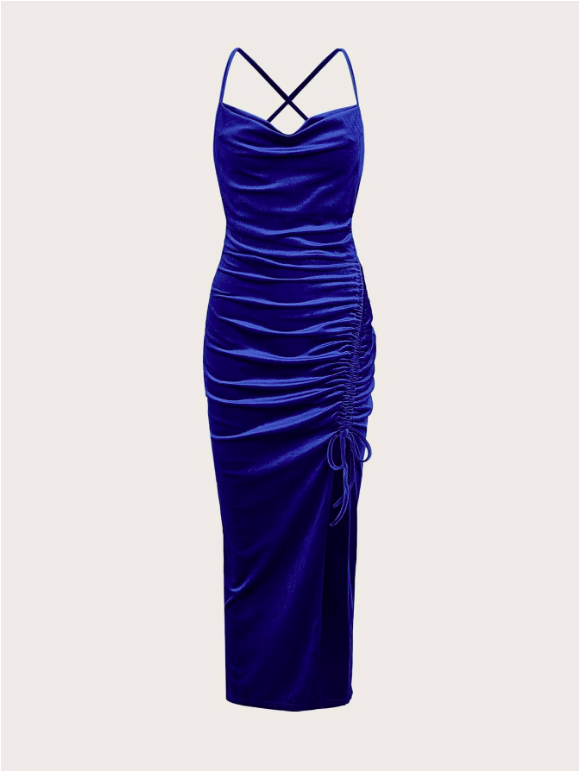
Velvet requires a completely different cleaning approach than satin. The soft pile texture creates dramatic elegance, but improper cleaning may flatten the fabric permanently. Proper royal blue velvet dress cleaning focuses on preserving texture while safely removing dust and stains.
How to Remove Dust and Surface Marks
Velvet naturally attracts lint and dust because of its textured surface. Routine maintenance helps the gown maintain a polished appearance.
Safe tools include:
- Soft velvet brushes
- Gentle lint rollers
- Microfiber cloths
Always brush velvet in the direction of the pile rather than against it. This helps maintain a smooth and consistent texture.
Spot Cleaning Velvet Without Crushing the Fabric
Velvet should never be scrubbed aggressively. Pressure damages the pile quickly and creates flattened areas.
For gentle stain removal:
- Dab softly with a damp cloth
- Use minimal moisture
- Avoid soaking the fabric
- Let the gown air dry naturally
Controlling moisture is essential because excess water weakens velvet texture.
Why Velvet Should Rarely Be Machine Washed
Machine washing exposes velvet to excessive agitation and pressure. This may flatten the texture, distort the shape, or weaken stitching.
Most velvet gowns should avoid:
- Washing machines
- Heated dryers
- Strong spin cycles
- Direct ironing
Professional dry cleaning is usually the safest option for preserving luxury velvet fabrics.
Steaming Velvet Properly
Steaming velvet helps remove wrinkles while protecting the fabric pile. Direct contact with hot surfaces should still be avoided.
For best results:
- Steam from slight distance
- Allow wrinkles to release naturally
- Keep the gown hanging vertically
- Avoid pressing directly onto the fabric
Gentle steaming helps restore softness without damaging texture.
Restoring Velvet Texture After Storage
Sometimes velvet develops slight flattening during storage. Careful steaming combined with soft brushing may help revive the pile.
Never attempt aggressive restoration methods because velvet damage often becomes permanent when too much pressure is applied.
Proper velvet care preserves the rich texture that gives royal blue gowns their luxurious depth and elegance.
Best Ways to Store Your Royal Blue Prom Dress
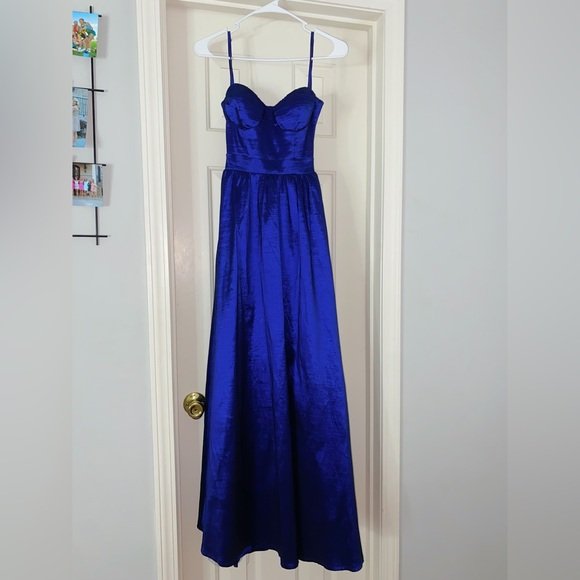
Knowing how to store a prom dress properly is one of the most important parts of long-term gown preservation. Even after using the safest cleaning methods, improper storage can still damage delicate fabrics, distort the silhouette, or reduce the luxurious appearance of the dress over time. Satin may develop stubborn wrinkles and shine loss, while velvet can become permanently flattened if compressed incorrectly. Proper storage protects your gown from moisture, sunlight, dust, pressure damage, and fabric deterioration while helping maintain the beauty of the original design.
Use a Breathable Garment Bag
One of the most effective prom dress storage ideas is investing in a high-quality breathable garment bag. Many people leave their dresses inside plastic dry-cleaning covers, assuming they offer protection, but plastic actually traps humidity and limits airflow around the fabric.
Over time, trapped moisture can lead to:
- Mildew growth
- Musty odors
- Fabric yellowing
- Texture deterioration
- Color fading
Breathable cotton garment bags create a safer environment because they allow airflow while still protecting the dress from dust and dirt. This is especially important for royal blue gowns since dark fabrics can lose vibrancy when stored improperly.
A garment bag should also provide enough room for the gown to hang naturally. Tight storage spaces may crush embellishments, wrinkle satin, or flatten velvet texture.
When selecting storage bags for formalwear, look for:
- Soft breathable fabric
- Full garment coverage
- Wide interior space
- Durable zipper protection
- Lightweight structure
Proper airflow is one of the most overlooked aspects of long-term dress storage, yet it plays a major role in preserving delicate eveningwear fabrics.
Choose Padded Hangers for Heavy Dresses
The wrong hanger can damage a luxury gown surprisingly quickly. Thin wire hangers place concentrated pressure on delicate shoulder areas and may stretch straps or distort fitted bodices over time.
Padded hangers provide better support because they distribute weight more evenly across the garment. This is especially helpful for:
- Corset prom dresses
- Heavy satin gowns
- Velvet dresses with lining
- Dresses with beadwork
- Layered evening gowns
Structured dresses benefit from additional support because formalwear construction is often heavier than regular clothing. Hanging loops inside the gown may also help reduce strain on shoulder straps.
For gowns with dramatic skirts, some garment specialists recommend lightly supporting the lower half of the dress with acid-free tissue paper inside the garment bag. This helps maintain shape while minimizing stress on seams.
Proper hanger selection is an essential part of dress preservation techniques because it helps maintain the original silhouette of the gown for future wear.
Keep the Dress Away From Sunlight and Humidity
Environmental conditions have a major impact on fabric longevity. Royal blue satin and velvet both react poorly to prolonged sunlight exposure. UV rays gradually weaken dye pigments, causing the fabric to appear dull or faded over time.
Humidity creates additional risks because moisture trapped inside closets or storage areas may lead to:
- Mildew
- Odor buildup
- Fabric weakening
- Staining
- Texture damage
Ideal storage conditions include:
- Cool room temperatures
- Dry environments
- Stable airflow
- Minimal direct light
- Clean storage spaces
Avoid storing formal gowns in:
- Basements
- Attics
- Bathrooms
- Laundry rooms
- Humid closets
Temperature consistency also matters. Frequent humidity changes may stress delicate fibers and increase wrinkle formation. Maintaining a stable storage environment significantly improves overall royal blue prom dress care.
How to Prevent Wrinkles During Long-Term Storage
Wrinkles are one of the biggest frustrations when preserving formal gowns, especially satin dresses. Deep folds and compressed fabric lines may become difficult to remove after extended storage.
Effective wrinkle prevention starts with proper hanging techniques. Dresses should have enough room to hang naturally without pressing tightly against surrounding garments.
Additional wrinkle prevention tips include:
- Avoid overcrowding closets
- Use tissue paper between folds
- Steam dresses lightly before long-term storage
- Store skirts with soft support underneath
- Avoid sharp folds in satin fabric
For fuller gowns, gently stuffing tissue paper into skirt layers may help preserve volume while minimizing crease formation.
Steaming remains one of the safest wrinkle removal methods because direct ironing often damages delicate materials. Satin may scorch under heat, while velvet texture can flatten permanently when pressed directly.
Folding vs Hanging Prom Dresses
Not every gown should remain hanging for years. Very heavy dresses with extensive embellishments may stretch gradually under their own weight. Understanding when to fold versus hang helps protect both fabric and structure.
Generally:
- Lightweight satin dresses hang well
- Heavy beaded gowns may store better folded
- Velvet dresses require minimal pressure
- Corset gowns benefit from structured hanging
If folding becomes necessary:
- Use acid-free tissue paper
- Fold along natural seams
- Avoid compressing embellishments
- Store inside breathable preservation boxes
Thoughtful storage methods help preserve luxury formalwear while minimizing future restoration work.
How to Protect Embellishments, Sequins, and Beading

Many royal blue prom dresses include decorative details that elevate the entire design. Sequins, crystals, embroidery, pearls, appliqué, and beading all contribute to a glamorous appearance, but these embellishments also require careful handling during both cleaning and storage.
Without proper care, decorative elements may loosen, snag, crack, or fall off entirely.
Preventing Snags and Loose Beads
Embellished gowns are highly sensitive to friction. Sequins may catch on rough fabrics, jewelry, zippers, or even nearby dresses inside crowded closets. Small snags often lead to larger damage over time if ignored.
Reducing friction is one of the best ways to preserve decorative details.
Helpful habits include:
- Removing jewelry before handling the gown
- Keeping embellishments separated from rough fabrics
- Inspecting stitching regularly
- Repairing loose threads early
- Avoiding overcrowded garment racks
Heavy beading may also place tension on seams, especially around fitted bodices. Regular inspections help prevent structural weakening before it becomes noticeable.
Professional-level prom dress maintenance always includes checking embellishments carefully because decorative craftsmanship plays a major role in the overall luxury appearance of formalwear.
Separating Dresses From Rough Fabrics
Satin and velvet should never remain pressed against textured clothing such as denim, leather, or rough lace for long periods. Friction gradually weakens delicate fibers and may damage embellishments.
Dedicated storage space is ideal for formal gowns. Garment bags provide additional protection by reducing contact with nearby clothing items.
This is particularly important for:
- Satin corset dresses
- Beaded velvet gowns
- Dresses with exposed sequins
- Sheer mesh formalwear
Creating safe spacing inside the closet helps maintain the polished look of the gown while reducing abrasion risks.
Handling Dresses With Corset Structures Carefully
Corset dresses require extra attention because the internal boning helps create the fitted silhouette. Improper folding or pressure may bend the structure permanently.
For safer corset storage:
- Hang dresses upright whenever possible
- Avoid compressing bodices
- Support heavy skirts carefully
- Store with enough surrounding space
Luxury corset gowns often contain detailed internal construction that deserves careful preservation. Protecting structure is just as important as protecting the outer fabric itself.
Common Cleaning and Storage Mistakes to Avoid
Many formal dresses become damaged through avoidable mistakes rather than normal wear. Understanding what not to do is an important part of learning how to properly store and clean your royal blue prom dress successfully.
Using Harsh Detergents
Strong detergents may weaken delicate fibers and strip dye from satin or velvet fabrics. Because royal blue is a rich, saturated shade, color fading often becomes highly noticeable after harsh chemical exposure.
Avoid:
- Bleach
- Heavy-duty cleaners
- Strong stain removers
- Highly fragranced detergents
Mild products designed for delicate fabrics are much safer for royal blue satin dress care and velvet preservation.
Applying Direct Heat
Direct heat damages luxury fabrics quickly. Satin may scorch or develop shine inconsistencies, while velvet pile can flatten permanently under an iron.
Safer alternatives include:
- Garment steamers
- Indirect steam
- Air drying
- Low-moisture wrinkle release methods
Using gentle heat techniques supports better fabric-safe cleaning methods while protecting delicate texture and structure.
Using Plastic Bags for Long-Term Storage
Plastic garment covers trap moisture and reduce airflow around fabrics. Over time, this may create mildew, unpleasant odors, or discoloration.
Breathable storage remains the better long-term solution for delicate eveningwear.
Ignoring Stains Before Storage
Small stains often become permanent when left untreated. Sweat, perfume, makeup, and oils continue reacting with fabric fibers during storage, eventually causing yellowing or discoloration.
Always clean:
- Makeup residue
- Sweat marks
- Food stains
- Perfume buildup
- Self-tanner transfer
Prompt stain treatment is one of the most important garment preservation habits for luxury gowns.
When to Choose Professional Dry Cleaning
Although some light maintenance can be done at home, certain dresses require professional expertise to avoid accidental damage.
Heavy Stains and Makeup Marks
Oil-based stains are difficult to remove safely from satin and velvet fabrics. Attempting aggressive home cleaning often spreads the stain further or weakens the fabric finish.
Professional cleaners are better equipped for:
- Lipstick stains
- Foundation transfer
- Wine spills
- Food oils
- Sweat discoloration
Their specialized techniques reduce risks while protecting delicate fabrics.
Structured or Heavily Embellished Dresses
Corset gowns and dresses with sequins, embroidery, or layered construction usually benefit from professional cleaning because multiple fabric types may react differently to moisture.
Professional care helps preserve:
- Boning structure
- Decorative stitching
- Mesh panels
- Adhesive embellishments
- Fabric draping
Luxury formalwear often requires more advanced care methods than standard garments.
Vintage-Inspired Velvet and Satin Designs
Vintage-inspired dresses frequently feature delicate finishes that require extra caution. Velvet texture and satin sheen may deteriorate quickly if cleaned improperly.
Professional dry cleaning is often the safest option for preserving:
- Texture softness
- Rich royal blue color
- Structural elegance
- Fabric integrity
Investing in professional maintenance may significantly extend the lifespan of premium gowns.
Shop Elegant Royal Blue Prom Dresses Designed to Last
The quality of the dress itself plays a major role in long-term preservation. At Velucia, every royal blue gown is designed with elegance, structure, and durability in mind. Proper care becomes easier when the garment begins with premium craftsmanship and carefully selected fabrics.
Why Fabric Quality Matters in Long-Term Dress Care
Higher-quality fabrics respond better to proper maintenance because they are constructed to retain shape, softness, and color more effectively over time.
Premium satin offers:
- Better draping
- Stronger fibers
- More consistent shine
- Improved wrinkle resistance
Luxury velvet provides:
- Richer texture depth
- Better pile recovery
- Softer touch
- Enhanced color richness
Well-made gowns also feature stronger stitching, better lining support, and more durable embellishment attachment.
Explore Velucia’s Satin Royal Blue Prom Dresses
Velucia offers elegant satin royal blue prom dresses designed to combine glamour with timeless sophistication. Satin remains one of the most popular choices for formalwear because of its luminous finish and flattering movement.
Popular styles include:
- Mermaid satin gowns
- Corset prom dresses
- Off-the-shoulder silhouettes
- Flowing A-line designs
- Sleek fitted evening dresses
These styles photograph beautifully while maintaining a luxurious appearance that works for prom, galas, and formal celebrations.
Discover Luxurious Velvet Royal Blue Dresses
Velvet royal blue dresses create a dramatic and sophisticated aesthetic perfect for evening occasions. The soft texture enhances the richness of royal blue while adding visual depth and elegance.
Velvet styles are especially beautiful for:
- Winter formals
- Evening galas
- Elegant receptions
- Luxury-themed events
With proper long-term dress storage and thoughtful maintenance, velvet gowns can remain stunning for many years.
Choosing Timeless Prom Dresses Worth Preserving
Timeless designs are always worth preserving because they remain elegant beyond changing fashion trends. Investing in high-quality royal blue gowns allows you to enjoy the dress repeatedly while maintaining a refined, polished appearance.
Velucia focuses on:
- Luxurious fabrics
- Elegant silhouettes
- Durable craftsmanship
- Sophisticated details
- Long-lasting quality
Explore timeless royal blue prom dresses from Velucia and discover elegant designs created to remain beautiful long after prom night ends.
Final Thoughts
Understanding how to properly store and clean your royal blue prom dress helps preserve the elegance, texture, and structure of luxury satin and velvet gowns for years. Proper storage conditions, gentle cleaning routines, careful stain treatment, and thoughtful handling all contribute to maintaining the beauty of delicate formalwear.
Simple habits such as using breathable garment bags, practicing effective wrinkle prevention, and choosing safe fabric-safe cleaning methods can dramatically extend the lifespan of your gown while protecting its original silhouette and color richness.
A well-preserved dress continues carrying memories through future occasions, photographs, and meaningful moments. Explore timeless royal blue prom dresses from Velucia and invest in elegant formalwear designed to stay beautiful long beyond a single event.